
"Brazil coffee culture"
2000 article(s) found

Bahia Coffee Brazil is a big coffee country
Bahia is one of the 26 states in Brazil and is located in the northeast. It covers an area of 564692 square kilometers, accounting for 6.6 per cent of Brazil's land area. The capital is Salvador. Culture: due to historical reasons, Bahia is the place where Brazil is most influenced by Africa, and it is the center of non-Brazilian culture. Yoruba-style Candombl religion, and Capoeira Wushu is a typical example of African influence.

Colombian Coffee Culture how to drink Coffee
Colombia is located in northwestern South America, bordered by the Pacific and Atlantic oceans. Panama in the northwest, Venezuela in the east, Brazil in the southeast, Peru in the south and Guadore in the southwest. Colombian Coffee Culture in 1808, a priest first introduced coffee to Colombia from the French Antilles via Venezuela. Today the country is the second largest after Brazil
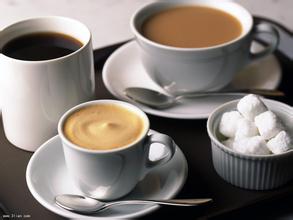
Description of Brazilian Coffee Flavor with smooth taste introduction to Culture of planting Environment of varieties in producing areas
In terms of natural conditions, Brazil is in the tropics, with a tropical rain forest climate in the north, hot and humid all the year round, suitable for tropical crops, coffee trees are sunny crops, and sufficient sunlight is the condition for their growth. Historically, Brazil has been a Portuguese colony for a long time. In order to meet the needs of Western Europe, Brazil has been planting single crops for a long time and developing tropical plantation economy.

A brief introduction to the History and Culture of the Origin and Development of Yellow bourbon Fine Coffee beans in the balanced Sweet Queen Manor of Brazil
In addition to planting bourbon seeds, the delicacy and care of her treatment is another key to excellent quality: flavor features: balanced sweetness, smooth cream, orange fruit, apricot and other fruit flavor, chocolate, caramel flavor. The ripe fruit is sweet, caramel is sweet, flowers and nuts are sweet, and the end is thick and mellow with milk ester. Queen's Manor (Fazenda Rainha) (Queen Farm) is located in St.

Japanese coffee culture, the symbol of Japanese coffee culture
The coffee shop in Kyoto is quite charming. After coming out of the Yinge Temple, you can climb a few street corners and climb into the mountains for 20 minutes. There is a Maomao hidden in the mountains, which is a secret shop spread by word of mouth of coffee maniacs. In Shu Guozhi's book "A layman's Kyoto", there is an article "sitting in a Cafe in Kyoto", which mentions cafes in the ancient capital, some of which have been in operation for decades, while others hide in the corners of historic buildings.

A brief introduction to the history and culture of the origin and development of balanced sweet bourbon boutique coffee beans
Facts have proved that Brazil also has the ability to produce gourmet coffee and small batches of coffee. The local boutique coffee can not only be provided by small-scale coffee farmers. The main coffee producing areas in Brazil are Sulde Minas South Minas, Matas de Minas Minas Southeast Mountain Forest, Cerrado Hirado, Chapadas de Minas Minas Central and Northern Mausoleum, Mogiana Mojiana.

A brief introduction to the History and Culture of the Origin and Development of Brazilian Hilado Fine Coffee beans
Cerrado Syrador is a producing area. Cerrado Syrador coffee beans are treated by Brazilian traditional pulp natural drying (Pulped Natural). Because coffee beans are dried with pulp (Pulp) and pectin (Mucilage), they retain high organic matter, minerals and soluble solids. This kind of coffee bean has a strong aroma and is slightly sweet with Qiaokoli.
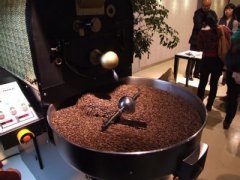
A brief introduction to the history and culture of the origin and development of balanced and supple Brazilian boutique coffee beans
Santos is a descendant of the bourbon species, hence the name for the port of Santos export. In the first three or four years before the coffee tree began to bear fruit, the beans were small and curved, with excellent flavor, and became Bourbon Santos. After that, the beans became bigger, flat in shape, no longer bent, and became flat bean Santos, and the flavor was not as good as before. Brazilian coffee can be found everywhere in Taiwan, but most of them
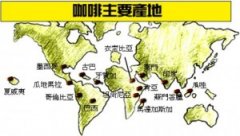
South America Brazil big country boutique coffee Bahia coffee beans
Bahia is one of the 26 states in Brazil and is located in the northeast. It covers an area of 564692 square kilometers, accounting for 6.6 per cent of Brazil's land area. The capital is Salvador. Culture: due to historical reasons, Bahia is the place where Brazil is most influenced by Africa, and it is the center of non-Brazilian culture. Yoruba-style Candombl religion, and Capoeira Wushu is a typical example of African influence.

Colombian Coffee Culture Lazimus Manor introduces the flavor characteristics of Colombian coffee manor.
Colombia is located in northwestern South America, bordered by the Pacific and Atlantic oceans. Panama in the northwest, Venezuela in the east, Brazil in the southeast, Peru in the south and Guadore in the southwest. Colombian Coffee Culture in 1808, a priest first introduced coffee to Colombia from the French Antilles via Venezuela. Today the country is the second largest after Brazil

Japanese coffee history, culture and customs the world's first coffee chain, Old S ã o Paulo Cafe
History of coffee in Japan: the time when coffee spread to Japan was presumed to be 1641, that is, during the Yuanlu period in the middle of the Edo period in Japan, it was brought to Japan by the Dutch store on the island of Nagasaki. At that time, Japan implemented a strict policy of locking up the country and most of the people who could come into contact with foreigners were servants (officials), merchant interpreters (translators) and tourist girls (geisha). Until the Japanese period of Zunberu in 1776.
The origin of boutique coffee introduces Santos, Brazil.
Brazil is located in South America, about 15 degrees south latitude. Brazilian coffee culture began in 1727 and sprang up in the north of Brazil when a Mr. Francesco de MeloPalheta smuggled coffee seeds from France to Brazil. At that time, this was strongly opposed by the French who monopolize the coffee business today. Those seeds are the ancestors of more than 300 million Brazilian coffee trees today. In the early morning
Boutique coffee beans Brazil Santos
Brazil is located in South America, about 15 degrees south latitude. Brazilian coffee culture began in 1727 and sprang up in the north of Brazil when a Mr. Francesco de MeloPalheta smuggled coffee seeds from France to Brazil. At that time, this was strongly opposed by the French who monopolize the coffee business today. Those seeds are the ancestors of more than 300 million Brazilian coffee trees today. In the early morning
Brazil Santos boutique coffee beans
Brazil is located in South America, about 15 degrees south latitude. Brazilian coffee culture began in 1727 and sprang up in the north of Brazil when a Mr. Francesco de MeloPalheta smuggled coffee seeds from France to Brazil. At that time, this was strongly opposed by the French who monopolize the coffee business today. Those seeds are the ancestors of more than 300 million Brazilian coffee trees today. In the early morning

Coffee beans introduce Brazil Santos Brazilian Bourbon Santos
Brazil is located in South America, about 15 degrees south latitude. Brazilian coffee culture began in 1727 and sprang up in the north of Brazil when a Mr. Francesco de MeloPalheta smuggled coffee seeds from France to Brazil. At that time, this was strongly opposed by the French who monopolize the coffee business today. Those seeds are the ancestors of more than 300 million Brazilian coffee trees today. In the early morning
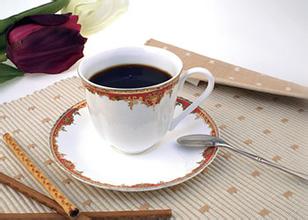
Latest introduction of Colombian Coffee A brief introduction to Colombian Coffee Culture
Colombian coffee culture, Colombia is located in northwestern South America, bordered in the Pacific and Atlantic Ocean. Panama in the northwest, Venezuela in the east, Brazil in the southeast, Peru in the south and Guadore in the southwest. In 1808, a priest introduced coffee to Colombia for the first time from the French Antilles via Venezuela. Today, the country is the second largest coffee producer after Brazil.
Boutique Coffee about Coffee from Santos, Brazil
Brazil is located in South America, about 15 degrees south latitude. Brazilian coffee culture began in 1727 and sprang up in the north of Brazil when a Mr. Francesco de MeloPalheta smuggled coffee seeds from France to Brazil. At that time, this was strongly opposed by the French who monopolize the coffee business today. Those seeds are the ancestors of more than 300 million Brazilian coffee trees today. In the early morning

The characteristics and Origin of the passionate Brazilian Santos Coffee
Santos coffee (Santos Coffee) is mainly produced in Sao Paulo, Brazil. This kind of coffee acid, sweet and bitter is neutral, moderate concentration, with moderate sour taste, elegant and special taste, is the best blending beans, known as the strong coffee, but the taste is also good. Brazil is located in South America, about 15 degrees south latitude. Coffee culture in Brazil began in 1727 and sprang up in the north of Brazil.

History, culture, stories and allusions of Brazilian coffee boutique beans
For the exchange of professional baristas, please pay attention to the coffee workshop (Wechat official account cafe_style) the history and culture of Brazilian coffee boutique beans, stories and allusions the Brazilian coffee industry Brazil's main coffee growing area two large bags of coffee beans on coffee plantations in the state of Minas Gerais, taken in the state of Sao Paulo, Brazil's coffee industry accounts for about 1/3 of the world's total output, is the current world.

South American Coffee History Flavor and taste characteristics of Brazilian Bahia boutique coffee beans
Bahia is one of the 26 states in Brazil and is located in the northeast. It covers an area of 564692 square kilometers, accounting for 6.6 per cent of Brazil's land area. The capital is Salvador. Culture: due to historical reasons, Bahia is the place where Brazil is most influenced by Africa, and it is one of the non-Brazilian cultures.